

Attic Ventilation
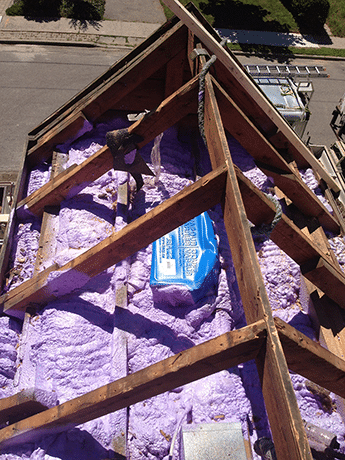 As much as we may use it for storage, the purpose of an attic is to insulate the house, and to ensure that ventilation keeps the roofing system functioning as it should.
Ventilation and insulation work in tandem.
If an attic is well- ventilated but not well- insulated, the house will get chilly, damp and/or mouldy in the winter, and the heat that rises to the attic in the summer may cook oil-based shingles from the inside.
In the winter, proper insulation should keep warmth inside the house, but not allow it to reach the attic where it may condensate and lead to moisture, which can lead to wood rot, which in turn can lead to mould and eventually, to a pricey roof repair that involves removing and re-installing the wooden infrastructure.
In the summer, proper insulation should protect the home from the heat so as not to overheat the shingles on the roof. Like a sauna, or a car with the windows up on a hot day, if not properly ventilated, an attic can reach high temperatures, which can result in the granulose that covers shingles falling off the product and affect the UV coating. This can lead in turn to a premature product failure that would have been preventable with simple aeration. A shingle manufacturer will not provide warranty on attics not properly ventilated, since they understand the effects that this has on shingles.
Errors in a home setup that affect ventilation vary. Bathroom and appliance ventilation that runs straight to the attic can cause excess moisture buildup. Blockage of vents or inadequate holes in soffits can adversely impact air movement. An imbalance of intake versus output exhaust, or two different ventilation units in the same attic can throw off the system’s efficacy. As housing construction practices change, homes have become more airtight, and this also affects air quality and levels of moisture in the attic.
Telltale signs that you may be dealing with a ventilation issue include uneven snow on your roof, deformed shingles, icicles along the edge of your roof, mould or mildew in the attic (indicated by a musty smell, or black spots), rust, wet or compressed insulation, and more.
The benefits of ensuring proper home insulation and ventilation before it becomes and issue are many, including;
- Improvement in comfort and reduction of energy consumption/cost.
- Reduction in attic moisture which can damage insulation and create roof rot or mould and mildew.
- Validation of the product warranty of roofing materials.
- Prevention of ice damming.
- Preservation and support for the roofing system, insulation and building structure.
The size of your roof determines the amount of ventilation (intake and output exhaust) required. Different vents have different readings for how much air comes in and out and the specifics of your requirements should be professionally assessed. The air flow should be free of obstruction and the ventilation should be properly installed to safeguard against mould or overheating. Building codes specify the very minimum amount of required ventilation, which you may wish to surpass in order to provide optimum and continuous air circulation to your attic.
A well- installed attic ventilation system can lead to an extension of the duration of your roofing system and prevent the expense of thousands of dollars in repair costs before eventual issues crop up. Integrity Roofers evaluates your attic ventilation system as well as any contributing factors towards it’s proper functioning and recommends the most appropriate, cost effective and lasting solution for your home.